







According to the January LANDTHINK Pulse results, 43% of respondents don’t currently own land and plan to buy in 2026. Coming in a close second, 29% already own land and plan to buy more. Despite this year’s fluctuations in the real estate market, many Americans still prioritize becoming landowners. First time land buyers are ready to take the plunge and current landowners are eager to pick up additional properties.
Last month, the January Pulse asked: Which best describes your current land holdings and plans for buying or selling in 2026?
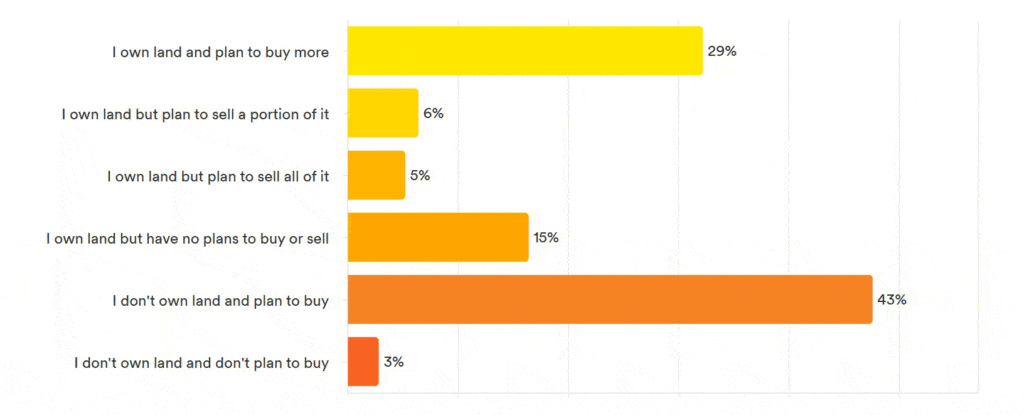
After years of sharp and unpredictable swings, interest rates have pulled back from their recent extremes. At the same time, price growth has slowed and land inventory has improved in many areas, easing affordability and giving buyers more room to plan and negotiate. Last month’s Pulse shows that interested landbuyers are optimistic and ready to act on their goals.
More Americans are increasingly learning the value of land, and it continues to increase in popularity. Buying land is a smart strategy for building wealth, developing real estate, or creating your dream property. Here are a few factors driving land investment opportunities:
Normalized Market and Realistic Pricing: The 2026 land market is projected to be more normal and balanced for buyers, characterized by moderate price growth, gradually increasing inventory, and stabilized interest rates, which should ease the intensity for buyers. Potential buyers are prioritizing high quality land, usually defined by factors such as location, soil quality, utility access, and improvements. This allows buyers to find value without extreme bidding pressure, particularly for properties with clear, well-documented, well-managed land that is ready for use.
Continued Land Appreciation: While we may not see as many record eye-popping land sales in 2026, many experts are predicting the land market will remain resilient, disciplined, and ripe for opportunity. Buyers are no longer chasing short-term appreciation. While land investment is not without risk, buying land is a prudent long term strategy. Land is generally considered a low-volatility, stable asset compared to stocks, cryptocurrency, and even developed real estate.
Strategic Opportunities in Emerging Sectors:
- Agricultural and Sustainable Land: With over 900 million acres of agricultural land in the United States, ag land continues to be a solid investment opportunity. Land used for food production, such as corn, wheat, and soybeans, is highly sought after for its economic stability. Sustainable agriculture is a strong, high-potential investment that combines competitive long-term financial returns with positive environmental impact, particularly as global demand for sustainable food rises. Prime farmland has long been considered a solid investment opportunity that can provide steady, non-correlated returns.
- Residential, Commercial, and Industrial Demand: The demand for land to build affordable housing continuing to grow stronger and stronger. Developers are buying bare land nationwide and a huge chunk of that is the development of residential communities. As e-commerce expands, demand for land to accommodate warehouses, distribution centers, and mixed-use developments is also rising. Demand for data center land is also soaring.
- Green Building Incentives: Demand for eco-friendly, green-certified land and developments is surging, with the global market projected to reach $1.37 trillion by 2034. Driven by 82% of homebuyers willing to pay more for sustainable features and the need for lower utility costs, this sector is shifting from niche to mainstream.
Flexible Financing, Cash Purchases, Decreased Competition: Land inventory is projected to remain tight, but competition in 2026 should be less intense than the last few years, allowing for more straightforward negotiations. Many land buyers purchase outright with cash, avoiding the need for financing altogether. Seller financing is projected to remain a viable option for purchasing land parcels.
Inflation Hedge & Long-Term Security: Land is a highly effective, tangible inflation hedge that often appreciates in value as the cost of living rises, frequently outpacing the Consumer Price Index. As a hard asset with limited supply, land, particularly agricultural and timberland, but also rural land, offer strong long-term value. While inflation impacts many asset classes, land offers a unique advantage: appreciation, combined with income potential, helps protect wealth over time.
The decision to buy land in 2026 depends on your investment goals, financial situation, and the opportunities available in your desired market. Investing in land takes effort. You need to understand the market, find the right property, and plan your finances carefully. The landscape is ripe with opportunities for land investment that are worth exploring. The land real estate market is looking to have plenty of opportunities for buyers and sellers alike in 2026.
Do you have a suggestion for next month’s Pulse question? Submit your question and we might choose yours!
This content may not be used or reproduced in any manner whatsoever, in part or in whole, without written permission of LANDTHINK. Use of this content without permission is a violation of federal copyright law. The articles, posts, comments, opinions and information provided by LANDTHINK are for informational and research purposes only and DOES NOT substitute or coincide with the advice of an attorney, accountant, real estate broker or any other licensed real estate professional. LANDTHINK strongly advises visitors and readers to seek their own professional guidance and advice related to buying, investing in or selling real estate.




Add Comment