






Many rural landowners can handle basic property maintenance on their own. Mowing an open trail, trimming around a gate, cutting up a fallen limb, or cleaning up a small area of brush can be a reasonable weekend project.
Land clearing work often starts with a simple plan. A landowner wants to reopen an old road, clean up a fence line, improve access to a pond, clear around a future barn site, or knock back brush that has moved into pasture. Once the work begins, the property may reveal more than expected: thicker brush, soft ground, stumps, buried debris, drainage issues, dead trees, or terrain that small equipment cannot handle efficiently.
Heavy equipment is not necessary for every rural property task. However, there are situations where calling a professional can save time, reduce risk, and leave the land in better condition for its next use.
The Work Area Is Difficult to Reach
Access is one of the first signs that a project may need heavier equipment.
Old trails may be narrowed by saplings and limbs. Fence lines might be obscured by brush, and low crossings could be washed out or too soft to support a tractor. A property that appears manageable from the entrance may pose challenges once the equipment reaches the back acreage.
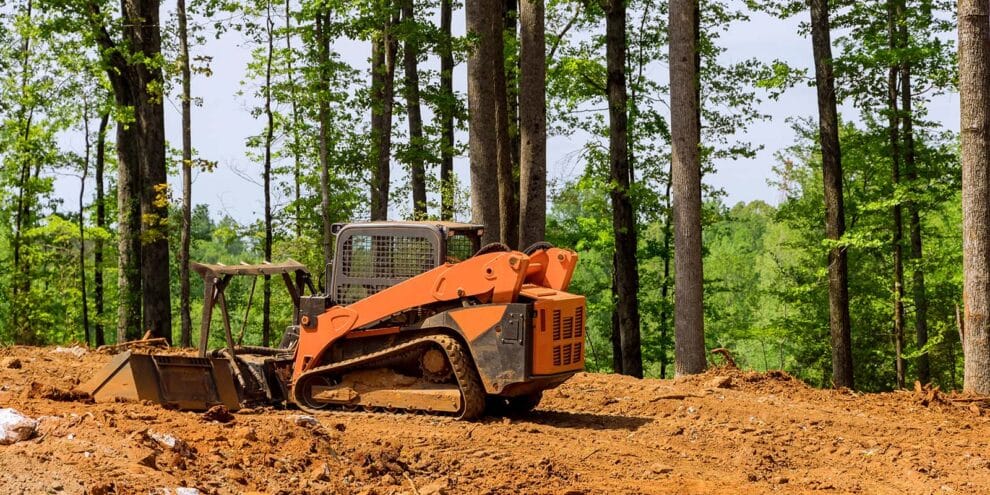
For some properties, opening access is the first phase of the job. A forestry mulcher, excavator, dozer, or properly equipped skid steer may be needed before the remaining clearing can begin.
This is especially important when the landowner needs reliable access for fencing, grazing, hunting, utility work, construction, pond maintenance, or resale.
The Vegetation Is Too Dense for Routine Maintenance
There is a difference between mowing seasonal growth and clearing established vegetation.
A tractor and mower may work well on open ground, but they may not be the right tools for thick saplings, cedar, mesquite, pine regrowth, hardwood sprouts, vines, briars, or heavy underbrush. Once vegetation becomes woody and dense, small equipment may cut surface growth while leaving larger stems, stumps, and root systems behind.
The right approach depends on the property and the intended use. A hunting area may require selective clearing to improve access while maintaining cover for wildlife. A pasture may need brush reduction to increase usable acreage for grazing. A future homesite, workshop pad, driveway, or utility path may require more extensive removal of stumps and roots.
When vegetation keeps coming back or the property remains difficult to use after repeated mowing, the work may have moved beyond routine maintenance.
Stumps, Roots, and Debris Are Part of the Job
Cutting down trees is only one part of land clearing. The remaining stumps, roots, limbs, and debris can determine whether the land is actually usable afterward.
A stump left in the woods may not matter. A stump left in a trail, fence line, driveway path, pasture access point, or future building area can create ongoing problems. Roots and buried debris can also interfere with grading, construction, equipment access, and long-term maintenance.
Older rural properties may contain hidden obstacles, including old wire, trash piles, storm debris, abandoned fence, rocks, or remnants from previous land use. These issues can change the scope of work quickly.
The Project Keeps Expanding
Many landowners begin with one specific task and realize the work is connected to several others.
Opening a trail may reveal drainage issues. Clearing a fence line may require removing trees that are obstructing the area. Cleaning up the edge of a pasture may uncover hidden stumps, uneven ground, or invasive brush.
This does not mean the whole property has to be cleared at once. A contractor may recommend opening the primary access route first, then clearing fence lines, pasture edges, homesite areas, or other priority sections in stages.
Safety Is Becoming a Concern
Land clearing can involve real risk, especially when the work includes chainsaws, dead trees, heavy brush, uneven ground, slopes, wet areas, or limited access.
Dense vegetation can conceal holes, wire, rocks, stumps, and debris; dead trees and storm-damaged limbs may fall unexpectedly; vines and leaning trees can create tension that is difficult to judge from the ground; and heat and fatigue can also increase the chance of mistakes.
For landowners working alone or far from the road, these risks deserve careful consideration. Professional land clearing equipment can reduce the amount of hand cutting, dragging, and manual cleanup required in difficult areas.
The Property Has a Future Use That Depends on Proper Clearing
Some clearing projects are cosmetic or recreational, while others affect how the land can be used in the future.
A property being prepared for livestock, hunting access, road installation, fencing, utility work, a homesite, a shop, or resale may need a more planned approach. The wrong clearing method can leave stumps in the way, disturb areas that should have been preserved, or fail to address the conditions that matter most for the next phase.
Before starting, landowners should consider how the clearing work fits broader land management practices and the future use of the property.
The answers help determine whether the work calls for mowing, forestry mulching, grubbing, tree removal, dozer work, or a combination of methods.
Equipment Rental May Not Solve the Whole Problem
Renting equipment can make sense for experienced landowners with a clearly defined project. However, the rental rate is only one part of the cost.
Landowners should also consider delivery, fuel, attachments, insurance, weather delays, cleanup, disposal, operator experience, and the possibility of renting equipment that is too small or poorly matched to the property.
If a rental machine leaves brush piles, stumps, ruts, blocked trails, or unfinished cleanup, the property may still require professional work later.
A Professional Can Help Define the Scope
One of the most useful parts of calling a land clearing contractor is getting a clearer understanding of the job itself.
A good contractor should ask how the landowner plans to use the property. Reclaiming pasture, opening hunting access, preparing a homesite, clearing a fence line, improving a pond road, and preparing land for sale all require different decisions.
In some cases, the project may be smaller than the landowner expects. In others, the contractor may identify access, stumps, drainage, or debris issues that should be handled before the work begins.
Final Thoughts
Weekend projects are part of rural landownership, and many small maintenance tasks can be handled without professional equipment.
The decision can change when the work involves poor access, dense vegetation, stumps, debris, safety concerns, multiple acres, or future uses that depend on effective land clearing. In those situations, heavy equipment can help landowners complete the work more efficiently and make the property easier to use and maintain.
This content may not be used or reproduced in any manner whatsoever, in part or in whole, without written permission of LANDTHINK. Use of this content without permission is a violation of federal copyright law. The articles, posts, comments, opinions and information provided by LANDTHINK are for informational and research purposes only and DOES NOT substitute or coincide with the advice of an attorney, accountant, real estate broker or any other licensed real estate professional. LANDTHINK strongly advises visitors and readers to seek their own professional guidance and advice related to buying, investing in or selling real estate.



Add Comment