

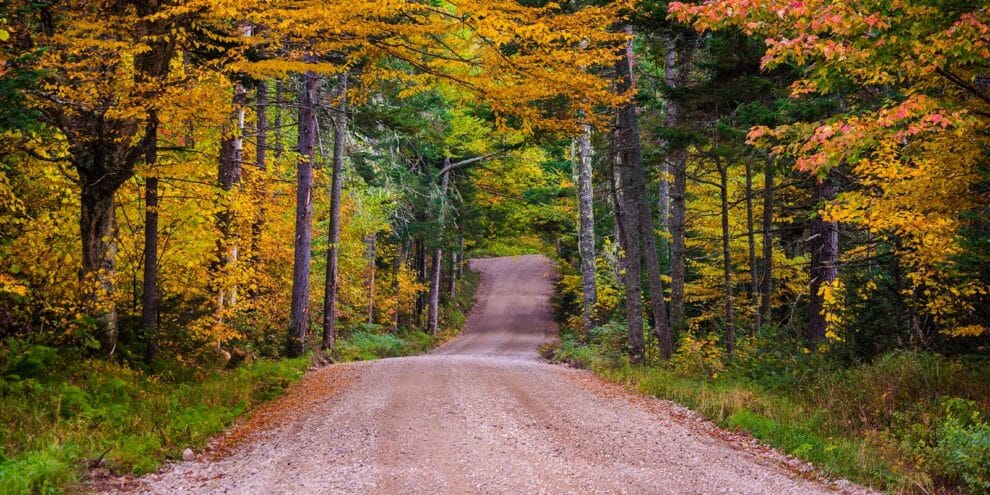

Absentee landowners can miss a lot between visits.
A property that seemed manageable in winter can look very different by late summer, especially when the owner lives several hours away or only sees it a few times a year. Vegetation management is easy to delay when there is no immediate project on the calendar, and many owners do not revisit the issue until hunting season, a lease renewal, storm cleanup, fence repair, sale, or planned improvement brings attention back to the property.
By then, the land may be harder to use, inspect, or maintain.
Access Becomes Harder to Maintain
Access is usually one of the first concerns for absentee landowners because nearly every other decision depends on it. Roads, trails, gates, fence lines, ponds, water sources, and back acreage all need to remain reachable if the property is going to be used or managed.
When roads and trails begin closing in, routine inspections take longer and may not cover the whole property. A landowner may not be able to check a back fence, show the full acreage to a buyer, give a contractor a clear look at the work, or keep a hunting or grazing lease practical for the people using the land.
The acreage may be the same on paper, but less of the property is available for regular use.
Maintenance Can Turn Into a Larger Clearing Project
Vegetation is easier to manage on a schedule. A trail that only needed mowing one season may need heavier equipment after several seasons of saplings, vines, and fallen limbs. A fence line with ordinary seasonal growth can usually be handled more quickly than one buried under brush and young trees.
That is where absentee ownership can become expensive. The owner may only see the property a few times a year, so the change feels sudden even though the land has been moving in that direction for months.
What might have been routine mowing or brush cleanup can become forestry mulching, tree removal, underbrush clearing, or a larger project just to regain access.
Overgrowth Makes the Property Harder to Evaluate
Land value is affected by how easily buyers, agents, appraisers, lessees, or family members can understand the property.
Heavy overgrowth creates uncertainty. If the back acreage cannot be reached, buyers may question how much usable land is really there. Hidden fence lines, trails, drainage areas, or old improvements can also make future maintenance costs harder to estimate.
A property does not have to be cleared completely to show well. Many rural buyers expect natural areas, timber, cover, and native vegetation. However, they still need enough access and visibility to understand what they are looking at.
Problems Can Stay Hidden Longer
Absentee owners often learn about property damage later than owners who are nearby. A fence may be down for weeks after a storm, or a washed-out crossing may get worse before anyone sees it. Overgrowth can make that delay harder to catch because it limits visibility and makes regular inspection less likely.
Keeping key areas accessible gives landowners a better chance to identify storm damage, dumped material, damaged access routes, invasive growth, or safety issues before they become more expensive. It also helps anyone checking the property provide useful information instead of stopping at the first blocked route.
The land does not need to be manicured, but the owner does need a practical way to see what is happening.
Fire, Storm, and Emergency Access Can Be Affected
Wildfire and storm risks vary by region, and landowners should follow local guidance for their area. Still, unmanaged vegetation can create problems in many rural markets, especially when brush, deadfall, and overgrown access routes make it difficult to move through the property.
For absentee owners, access is the practical issue. If equipment cannot reach a damaged fence, washed-out road, fallen tree, water source, structure, or back pasture, ordinary repairs become harder to schedule and complete.
A basic vegetation management plan should keep the most important access points usable for inspection, maintenance, equipment, and emergency response.
Land Use Can Decline Gradually
Many absentee owners keep rural property for hunting, grazing leases, recreation, family use, or long-term investment. Each use depends on being able to reach and manage the parts of the property that matter.
For hunting land, that may mean trails, shooting lanes, food plot access, and movement through the property. For grazing land, it may mean access to water, fences, gates, and usable pasture. For recreational land, it may mean safe paths for family, guests, or equipment.
Vegetation pressure usually affects those uses gradually. A trail becomes less convenient, a pasture corner gets skipped, or a pond road becomes too rough to check regularly. Over time, parts of the property may stop serving the owner’s purpose even though the acreage has not changed.
Vegetation Management Should Match the Property
Vegetation management does not require clearing everything. For many absentee landowners, selective brush management is more useful than clearing every acre.
In practice, that may mean opening main access roads, keeping gates reachable, clearing fence lines, maintaining trails, reducing invasive brush, removing problem trees, or improving access to ponds, pastures, structures, and food plots. A hunting tract may need cover preserved while access and lanes are improved. A grazing property may need brush pushed back from pasture, fencing, and water sources. A property being prepared for sale may need enough clearing for buyers to see the land.
The right plan should keep the property usable without removing the features that make it valuable.
A Seasonal Check-In Can Prevent Larger Costs
Absentee owners do not have to be on site every week, but they do need a schedule for checking the property. A seasonal review can help identify access problems, storm damage, spreading brush, blocked gates, fallen trees, and maintenance needs before they turn into larger clearing or repair projects.
Landowners should ask:
- Are the main roads and trails still open?
- Are gates and fence lines visible?
- Are there fallen trees or storm debris?
- Is brush spreading into pasture or access routes?
- Can water sources, ponds, structures, and food plots be reached?
- Are invasive trees or woody brush getting established?
- Can a contractor, buyer, lessee, or family member inspect the land?
- Could equipment reach the back of the property if needed?
The answers can help determine whether the property needs mowing, forestry mulching, tree removal, underbrush clearing, or a larger clearing plan.
Final Thoughts
Skipping vegetation management may not create an immediate problem, especially for landowners who only visit a few times a year. The cost often shows up later as lost access, larger clearing needs, reduced buyer confidence, delayed lease use, damaged fencing, missed hunting preparation, or property areas that can no longer be inspected easily.
For absentee landowners, distance is the main disadvantage. A practical vegetation management plan helps keep the property reachable, usable, and ready for the owner’s next decision.
This content may not be used or reproduced in any manner whatsoever, in part or in whole, without written permission of LANDTHINK. Use of this content without permission is a violation of federal copyright law. The articles, posts, comments, opinions and information provided by LANDTHINK are for informational and research purposes only and DOES NOT substitute or coincide with the advice of an attorney, accountant, real estate broker or any other licensed real estate professional. LANDTHINK strongly advises visitors and readers to seek their own professional guidance and advice related to buying, investing in or selling real estate.

Add Comment